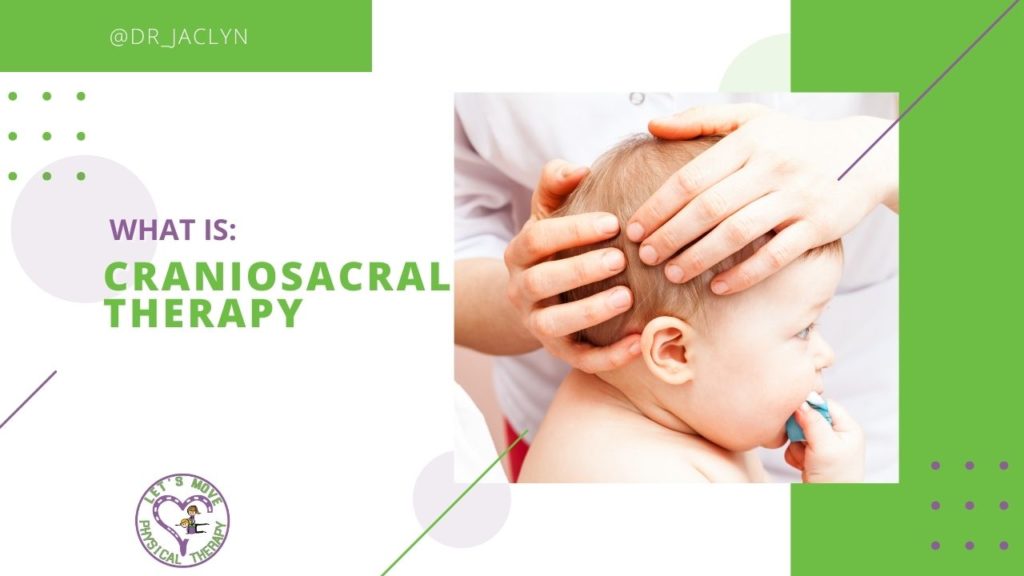
We explain Craniosacral Therapy in this video. The main use is for chronic pain.
Biodynamic Craniosacral calms the body, stills the mind and opens the heart.
Craniosacral therapy (Cranial Sacral or CST) is a gentle manual therapy that addresses a wide range of concerns. Because it is deeply relaxing and restorative many clients comment that being treated by Brenda Pulvermacher with Craniosacral Therapy is one of their favorite tools for wellness. In addition, Craniosacral Therapy is a safe effective therapy for babies and children with trauma including birth trauma.
Craniosacral Therapy is useful for:
- neck and back pain
- migraine and stress headaches
- tension related problems: emotional difficulties, depression, and anxiety
- traumatic brain and spinal cord injuries; concussion and post concussion syndrome
- post traumatic stress disorder
- jaw pain, temporomandibular joint dysfunction (TMJD)
- dental and orthodontic problems
- chronic fatigue, insomnia
- motor coordination impairments and much more
Craniosacral Therapy emphasizes listening for the health of the system and encouraging its expression.
Early in the 20th century, Dr. Sutherland, an American Osteopath, noticed that the bones of the head resemble the gills of a fish and surmised that they were designed to accommodate a kind of respiration for the nervous system. This discovery led him to explore a complex physiological system that includes the bones of the face and skull, the membranes surrounding the brain and spinal cord, cerebral spinal fluid and the fascia and connective tissue, the craniosacral system. He found that all tissues respond to a previously unidentified tide-like, polyrhythmic movement.
Sutherland and his colleagues experimented with palpating and interacting with this movement and found remarkable benefits for their clients. Subsequent osteopaths particularly Rollin Becker, DO, expanded the applications, and in the early 1970’s John Upledger, DO, introduced the concepts outside the osteopathic world. Some current well-known teachers who are working with the fluid forces and refining the biodynamic model include Franklyn Sills, DO, Michael Kern, DO, and Michael Shea Ph.D.
A skilled biodynamic craniosacral practitioner “listens” to the subtle tide-like movement of the system as the body tells its story. The body speaks through its rhythms, micro-movements, and particularly through its patterns of stress and restriction. Quietly listening, the practitioner encourages revitalization of the inherent healing potential of the system and facilitates the release of resistance patterns.
Credit: https://oneheartcranio.com/
If you’d like to try this therapy for your chronic pain contact us by CLICKING HERE